
The Ultimate Guide to Premium Cocktail Cans: Bold Flavors, Convenience, and Craft Quality
Mixing a proper cocktail at home often feels like too much effort after a long day, but cocktail cans solve that by delivering a pre-mixed, perfectly balanced drink in a portable, recyclable vessel. Simply chill the can, pop the tab, and pour over ice—or drink straight from the rim—for a bar-quality result in seconds. Each can is crafted with real spirits and fresh ingredients, so you skip the measuring, shaking, and cleanup while still enjoying a premium sip. The convenience of a ready-to-drink cocktail can turns any moment into an effortless, satisfying toast.

What Exactly Is a Cocktail Can and Why Would You Use One?
A cocktail can is simply a pre-mixed, ready-to-drink cocktail sealed in an aluminum can, designed for portability and convenience. You use one when you want a quality drink like a negroni or margarita without measuring, shaking, or hauling bottles and ice to a picnic, beach, or campsite. Because the can is airtight, your drink stays fresh and carbonated, if applicable, for months. The main appeal is instant gratification with zero cleanup—pop the top, pour over ice if you like, and enjoy.
Think of it as the difference between baking a cake from scratch and buying a slice from a great bakery; both are dessert, but one fits your life better right now.
It’s not about replacing your home bar, just about having a reliable cocktail exactly when and where you need it.
The Quick Difference Between Premade Drinks in a Can and a DIY Kit
A ready-to-drink can offers immediate, consistent results—the liquid is pre-mixed, carbonated, and shelf-stable, requiring only chilling and pouring. A DIY kit, by contrast, provides the components (spirits, modifiers, and often a carbonation cartridge) for you to assemble fresh, yielding a more customizable final profile. The trade-off is speed versus control: cans eliminate all prep and guesswork, while kits demand a few minutes of shaking and measuring but let you adjust strength or sweetness per serving. For a one-off drink, a can is simpler; for a gathering where guests have varied tastes, a kit offers versatile flexibility. This makes convenience versus customization the core decision factor.
Quick difference: cans are pre-mixed and ready instantly, while DIY kits require assembly but offer fresher, personalized results.
Who Benefits Most From These Portable Mixes
The people who benefit most from these portable mixes are **outdoor enthusiasts and spontaneous social hosts** who prioritize convenience without sacrificing drink quality. Campers, beachgoers, and tailgaters gain immediate access to a balanced cocktail without hauling bottles, citrus, or a shaker—eliminating prep time and breakage risk. Similarly, small gathering hosts use them to bypass last-minute bartending stress, serving consistent drinks instantly. For the solo drinker, however, the single-serve format can feel wasteful unless they specifically crave variety over volume. Q: Who benefits most from these portable mixes? A: Anyone whose setting—a park, a boat, or a rented cabin—makes traditional mixing impractical, yet still demands a professional-tasting result.
How the Sealed Packaging Keeps Your Drink Fresh From First Sip to Last
The sealed packaging of a cocktail can preserves freshness by creating an oxygen-free environment the moment it’s filled, preventing oxidation that would otherwise dull delicate citrus and botanicals. From first sip to last, this airtight barrier locks in carbonation, ensuring the same lively fizz on the final pour as the initial one. The can’s interior lining also blocks light and UV rays, which can degrade flavor compounds over time. Unlike re-sealable bottles, each can is a single, unbroken seal until opened, so no air re-enters between drinks. This eliminates flavor drift, keeping every ounce consistent—whether you nurse it slowly or finish quickly.
How to Pick the Right Cocktail Can for Your Taste and Occasion
Selecting the right cocktail can hinges on matching the spirit base to your moment. For a casual picnic, opt for a bright, citrus-forward gin or vodka soda, while a slow evening calls for a barrel-aged negroni or smoky mezcal paloma that unfolds with warmth. Check the ABV percentage on the label—a higher proof suits sipping or post-dinner occasions, whereas a lower one works for daytime refreshment. Match the can’s sweetness profile to your food: spicy tacos crave a tart, salty margarita, while rich barbecue pairs with a bourbon-based old fashioned with bitter orange notes. Finally, consider serving format—chilled wines and spritzes are ideal for large gatherings, while dense, stirred cocktails come alive over a single large ice cube in a rocks glass, preserving their structure. Trust your palate’s craving first; the occasion simply amplifies it.
Matching the Base Spirit and Flavor Profile to Your Preferences
Start with the base spirit, because it dictates the entire mood of the can. If you crave clean, crisp refreshment, reach for vodka or gin; if you want warmth and depth, whiskey or rum will deliver. Then, align the flavor profile to your sweet, tart, or bitter threshold—mango habanero screams bold, while cucumber lime whispers subtle. The secret is reading the label for the *dominant flavor bridge*: is it citrus-forward, berry-driven, or spice-led? **Matching the base spirit and flavor profile to your preferences** turns a random sip into your signature pour, whether you’re in a citrusy, high-energy mood or a smoky, slow-evening one.

Q: How do I know if a can’s flavor profile matches my taste without opening it?
A: Scan the can’s flavor descriptors and pick one anchor note—like “smoked agave” or “blood orange”—and match it to what you’d normally order at a bar. If you love margaritas, choose tequila-based cans with a lime-forward finish; if you’re a bourbon fan, look for oak or vanilla hints.
Checking ABV, Serving Size, and Sugar Content Before You Buy
Before any can hits your cart, flip it over and check the ABV, serving size, and sugar content—they dictate both your experience and your limits. A 12-ounce can at 8% ABV delivers roughly double the alcohol of a 5% lager, so match that strength to your session, not your curiosity. Next, note that many cans list two servings per container—drinking the whole thing silently doubles your intake. Finally, scan for added sugar: a high-sugar mixer can mask alcohol warmth but spikes your blood glucose and hangover odds. For a crisp, low-abv afternoon, target under 4% and fewer than 5 grams of sugar; for a nightcap, cap ABV at 6% and keep sugar below 3 grams.
Always verify ABV, actual servings per can, and sugar grams first—these three numbers control your buzz, calories, and recovery.
Carbonated vs. Still: Which Texture Works Best for Your Event
Choosing between fizz and stillness for your cocktail cans hinges on the event’s vibe. Carbonated textures—like a spritzy Paloma or gin fizz—bring a lively, palate-cleansing bite that cuts through rich foods and energizes outdoor gatherings. Still options, such as a smoky old fashioned or creamy espresso martini, deliver a velvety mouthfeel and a more focused, sophisticated sipping experience for intimate dinners or slow, deliberate toasts. Match the fizz to high-energy mingling, where the bubbles encourage quick refreshment; reserve smooth, still textures for seated moments where the spirit’s complexity deserves uninterrupted attention.
Sparkling cans amplify lively events and cleanse the palate, while still cans offer a richer, smoother sip for relaxed, deliberate occasions.
Practical Ways to Use and Serve These Ready-to-Drink Containers
Chill cocktail cans thoroughly before serving, then pour over fresh ice in a rocks glass to open up aromatics, or serve directly from the can for zero-fuss portability at picnics and boat trips. For a quick elevated twist, top a citrus-forward can with a splash of club soda and a expressed orange peel, while creamy or tiki-style cans benefit from a grated nutmeg or cinnamon dusting. Use them as a measured base for batch punches—combine two cans with juice and bitters in a pitcher for instant party volume. Temperature control matters most, as warm cans flatten carbonation and mute the spirit’s character, so keep them buried in ice until the moment of service. Garnish sparingly, since the sealed format already balances sweetness and acidity, and always offer a straw or stirrer to mix settled sediment in unfiltered varieties. For outdoor events, nestle cans in a cooler alongside wet towels to accelerate chilling without diluting the drink itself.
Chilling, Pouring, and Ice Strategies for Maximum Enjoyment
Chilling cocktail cans to precisely 38–42°F preserves carbonation and arrests flavor degradation, so submerge them in an ice-water bath for fifteen minutes rather than relying on a freezer, which risks slushy texture. Pouring demands a tilted glass—angle it at 45 degrees, then straighten as you empty the can—to release the spirit-forward aromatics while minimizing foam collapse. For ice strategies, use one large cube or a single sphere in the serving vessel, never crushed ice, because slower dilution lets the pre-balanced formula maintain its intended sweetness and acidity. Adding ice after pouring, not before, controls melt rate, and skipping ice entirely works best for citrus-forward blends that benefit from undiluted intensity.
Garnishing Straight From the Can: Simple Hacks for a Fresh Look
Elevating a cocktail can’s presentation begins the second the tab snaps, and garnishing straight from the can is about speed without sacrificing style. A thin strip of orange peel, twisted over the rim and dropped in, instantly cuts the metallic edge of a gin-based mixer. For a visual upgrade, wedge a single dehydrated lime wheel into the can’s opening—it frames the pour like a glass rim. A sprig of mint, slapped to release oils, tucks beside the tab for a herbaceous scent. The hack is to dry your garnish: wet citrus slides, while a paper towel-pat-down secures placement. This quick-garnish technique for canned cocktails keeps the drink’s chill intact and the serving look intentional, not thrown together.
Pairing Your Canned Drink With Food Without Overthinking It
Treat your canned cocktail like a sauce, not a separate course. If the drink is citrus-forward, like a margarita, pair it with grilled fish or a zesty slaw, letting the acid cut through richness. A smoky mezcal old fashioned matches charred meats, where the smoke mirrors the food’s caramelized crust. For sweet, fruity cans, think spicy Thai noodles or jerk chicken—the heat and sweetness neutralize each other. Avoid overmatching: a heavy stout-based cocktail will overwhelm light salads, just as a delicate spritz drowns under red sauce. Instead, follow the body of both. This practical pairing logic turns any meal into a balanced bite-and-sip rhythm. Ultimately, you only need one rule: mirror the intensity, contrast the flavor.
Pair by weight and wow: match heavy drinks with bold food, bright drinks with fatty or spicy dishes—let the can guide, not complicate, your plate.
What to Look For in Terms of Quality and Ingredients
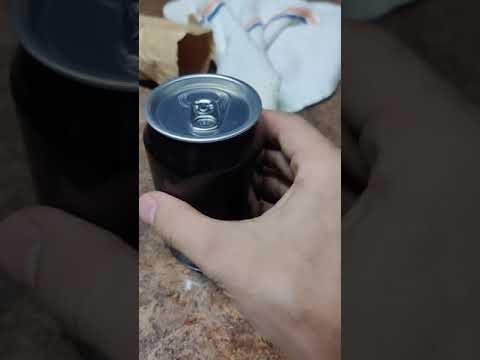
When picking a cocktail can, check the base spirit first—quality brands name the actual distillery or region, not vague “vodka” or “rum.” Look for real citrus juice or natural fruit extracts in the ingredient list, not “natural flavors” alone, which can hide artificial shortcuts. Sweeteners matter: cane sugar or agave beat high-fructose corn syrup every time, and a lower sugar count often means the alcohol isn’t masking harshness. Verify the ABV matches the style—a proper Margarita should sit around 12–15%, not 5% like a hard seltzer. Inspect the can for a “best by” date or batch code, since fresh carbonation and botanical aromatics degrade quickly. Espresso Martini cocktail cans Also, avoid any can with preservatives like sodium benzoate if you crave a cleaner finish. That said, a slightly cloudy texture can actually signal unfiltered juice, which is a good sign.
Real Juice, Natural Sweeteners, or Artificial Additives—How to Spot the Difference
Check the ingredient list for **real juice versus artificial additives**—if “juice from concentrate” or a named fruit (like lime or grapefruit) sits near the top, you’re getting genuine fruit. Natural sweeteners, such as agave, honey, or cane sugar, appear as straightforward words, while artificial ones hide as aspartame, sucralose, or high-fructose corn syrup. Look at the nutrition panel too: real juice often adds slight pulp or sediment, so shake the can—cloudy means natural, crystal-clear often signals lab-made flavors. To spot the difference quickly: scan for unrecognizable chemical names.
- Read the full ingredient list, not just the front label.
- Watch for “natural flavors” (vague) versus named fruit juices (specific).
- Compare sugar type—if it says “syrup” without a source, suspect artificial sweetening.

Brands That Use High-Quality Spirits vs. Lower-Cost Alternatives
When evaluating canned cocktails, the spirit source is the primary quality differentiator. Brands like Empire & Co. or Tip Top use high-quality spirits—real gin, tequila, or bourbon—which retain botanical and barrel notes even after dilution, whereas lower-cost alternatives often rely on neutral grain alcohol or artificially flavored “spirit bases” that taste flat and saccharine. This distinction is immediately evident in mouthfeel: premium options finish dry and clean, while cheaper ones leave a syrupy residue. To assess this practically, check the label’s ingredient order—spirit should appear first, not fruit juice or sugar. Also, single-distillery sourcing signals stricter production control. A logical sequence to follow: (1) read the brand’s stated base spirit, (2) compare ABV—higher often means less water masking, (3) taste for pepper, oak, or citrus zest versus generic sweetness. The price gap reflects real production costs, not just marketing.

Understanding Shelf Life and Storage Conditions for Unopened Cans
When you grab a cocktail can, the **shelf life and storage conditions for unopened cans** are your first quality check. Most canned cocktails stay fresh for 6 to 12 months, but heat is your enemy—keep them in a cool, dark spot, never in direct sunlight or a hot car, which can flatten the fizz and mute the botanicals. Check the printed date; while not always a safety cutoff, it signals peak flavor. A dented or bulging can means skip it entirely. For the best sip, chill them upright for at least four hours before cracking open, but avoid freezing—ice expansion can split the seam and ruin the drink.
Q: How long do unopened cocktail cans really last?
A: Most taste best within a year of the batch date, but they stay safe to drink for 12–18 months if stored below 70°F, away from light and temperature swings.
Common Questions and Mistakes to Avoid With Canned Cocktails
When it comes to canned cocktails, the biggest mistake is shaking them after opening—you’ll flatten the carbonation and ruin the texture. A common question is whether you can drink straight from the can; yes, but pouring over ice actually opens up the flavors. Don’t assume every cocktail can needs a garnish, though citrus zest genuinely elevates the aroma. Another frequent error is storing them warm; chilling for at least two hours preserves the intended balance. Also, avoid sipping too slowly—once opened, the drink loses its fizz within 20 minutes. Finally, never add extra spirits unless the label says “cocktail,” not “spritzer,” or you’ll overpower the recipe’s proportions.
Can You Drink Straight From the Can, or Should You Always Pour It Out
Drinking straight from the can is totally fine, but you’re missing out on the full flavor. Canned cocktails are designed to be enjoyed over ice or poured into a glass, which lets the aromatics open up and mellows the sharp edges. That said, if you’re at a pool party or camping, sipping directly is perfectly acceptable—just know the drink will taste slightly more concentrated and warmer faster. Pouring it out always improves the tasting experience, especially for citrus-forward or spirit-heavy recipes. If you’re in a rush, don’t stress; the can won’t ruin anything.

- Drinking from the can is convenient but can mask subtle notes.
- Pouring over ice dilutes slightly, balancing sweetness and alcohol burn.
- Always pour if the cocktail contains juice or vermouth—texture matters.
- When camping, a can is fine, but chill it first for better taste.
What to Do If the Can Tastes Flat or Too Sweet
If a canned cocktail tastes flat, first verify the can’s integrity; a hiss-free opening suggests a compromised seal, so pour it over ice and add a squeeze of citrus—the acid and chilling effect can mask the lack of carbonation. For excessive sweetness, balance the profile by adding a splash of club soda or a few drops of bitters, which cut sugar without diluting flavor. If you’re layering ingredients, fix flat or sweet canned cocktails by adjusting ratios incrementally, tasting after each addition. Avoid masking mistakes with salt, which can alter the cocktail’s intended structure. When both issues occur, combine both remedies, prioritizing carbonation restoration through vigorous stirring.
How Many Cans Equal a Standard Drink—and How to Pace Yourself
A standard drink contains roughly 14 grams of pure alcohol, but canned cocktails often exceed this because their ABV ranges from 7% to 15%, meaning one 12-ounce can can equal **1.5 to 2.5 standard drinks**. To pace yourself, first check the label for both ABV and fluid ounces, then calculate: (volume in oz × ABV × 0.075) ÷ 14. For a 12-oz can at 12% ABV, this yields about 1.8 drinks, so limit yourself to one can per hour and alternate with water. Never assume a single can equals one serving; always treat each can as potentially two drinks to avoid overshooting your limit. Track cumulative cans, not just current buzz.
One can may equal up to 2.5 standard drinks; pace by calculating ABV and volume, then cap intake at roughly one can per hour with water breaks.